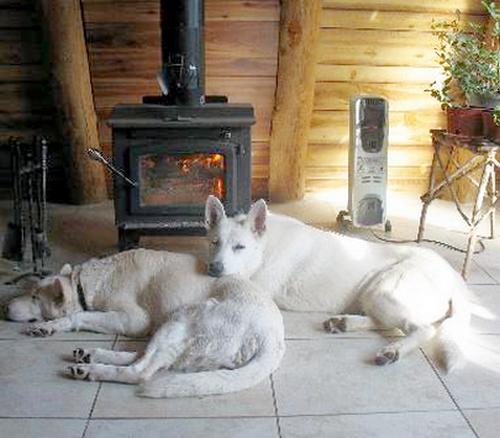
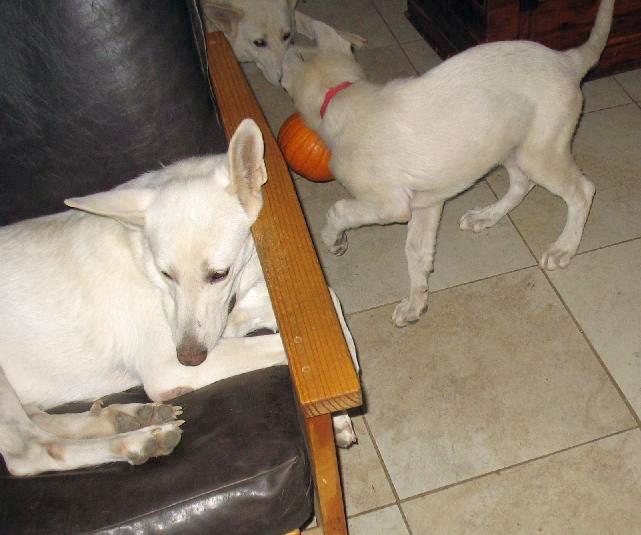
Jett 14 years old and Arctic 1 year old
Jett 14 years old and Arctic 1 year old
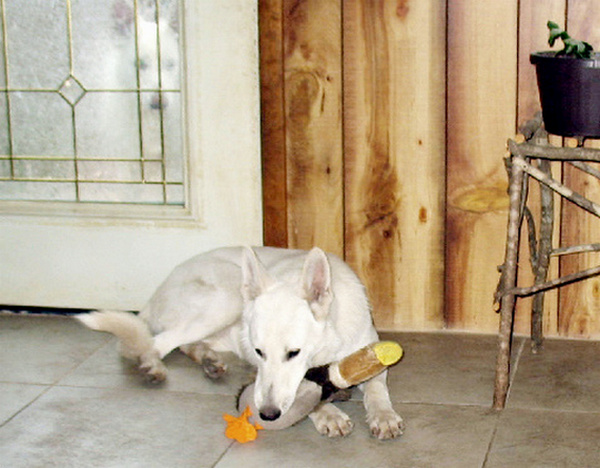
Maldasha
I’ve seen it before. You’re out in public, something catches a dog’s interest and they bolt.
And the owner succumbs to panic.
But this isn’t ever going to happen to you.
Because this is what you’re going to do.
This is the one they rarely get to play with and only for a few minutes.
Every few days to start with, then once a week or so.
Make a big deal out of it, put your heart into it.
Speak softly about it and with reverence.
Let them know how special it truly is.
Carry it with you whenever you go out with your dog.
Then if that ever happens, calmly hold up the toy and say:
“Maldasha, want the duck?”

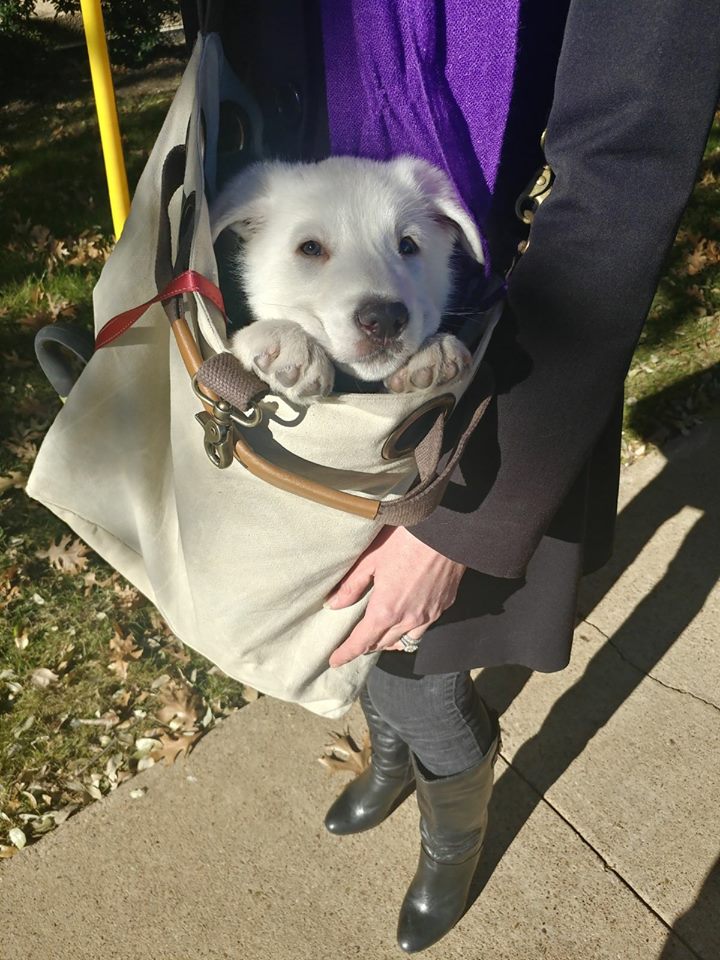
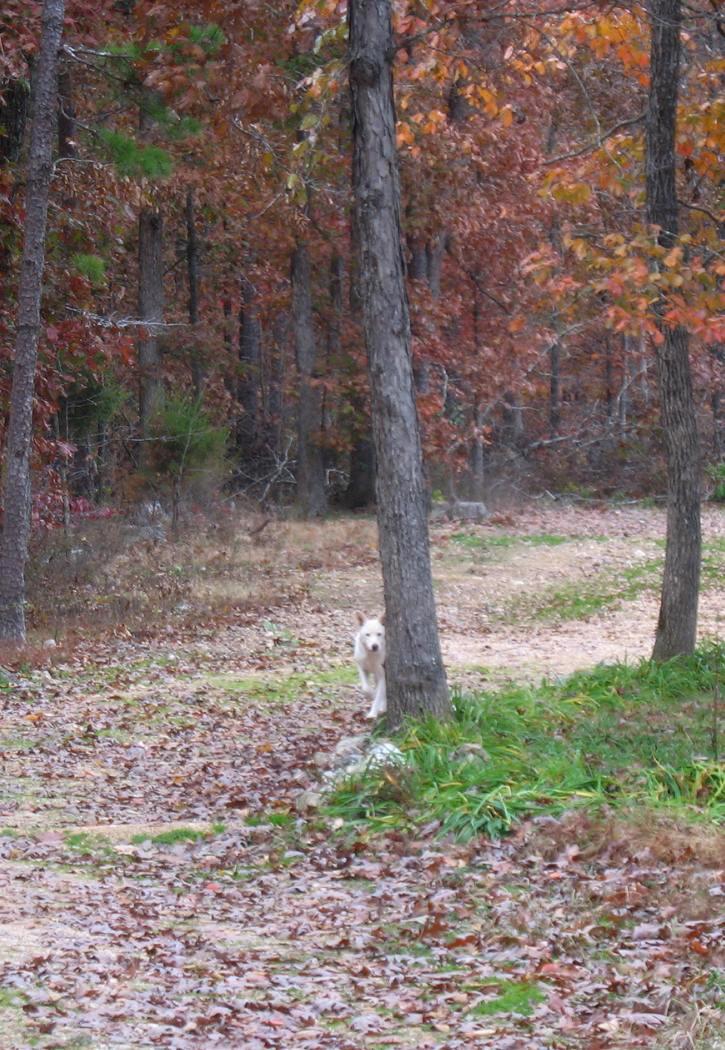

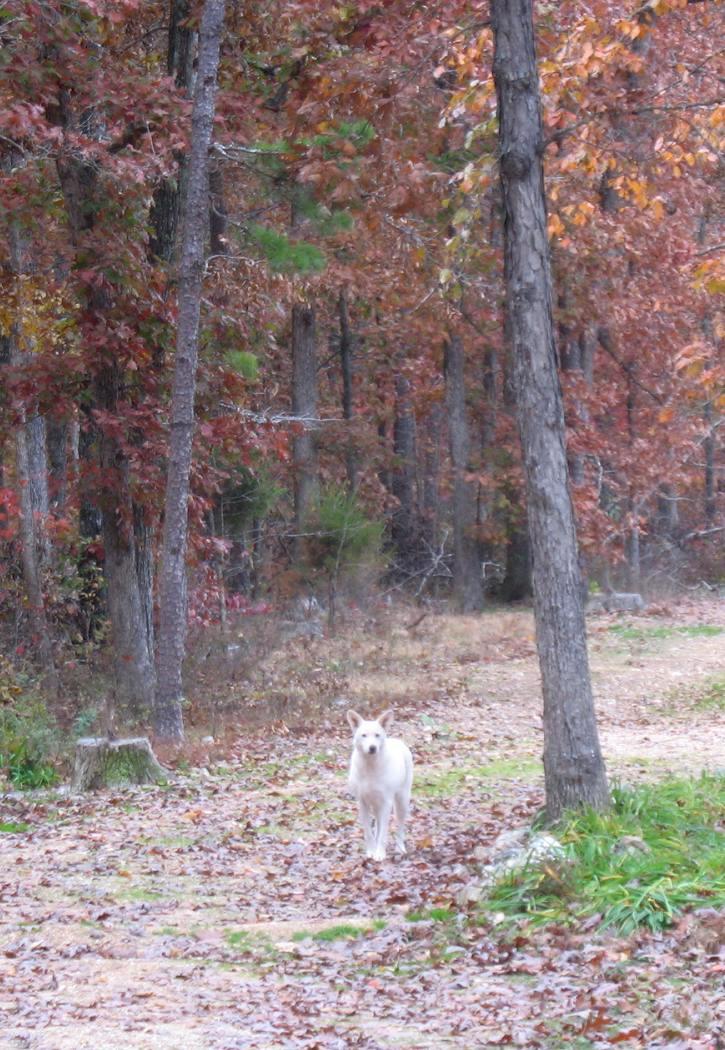
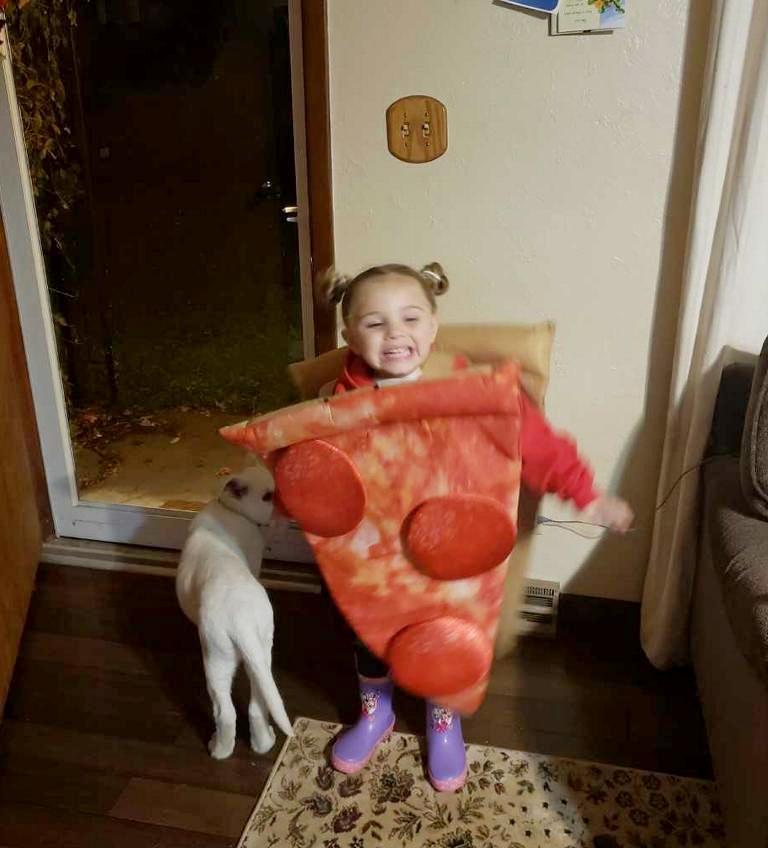
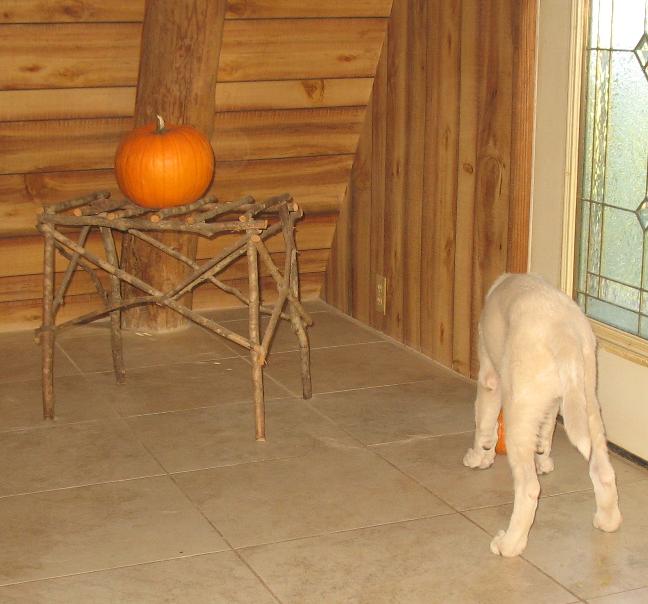
Deuce
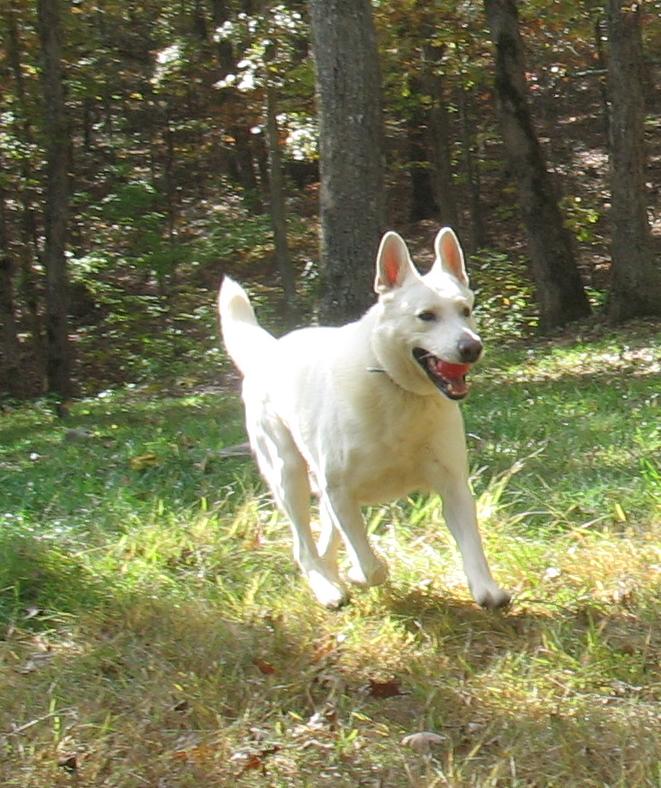
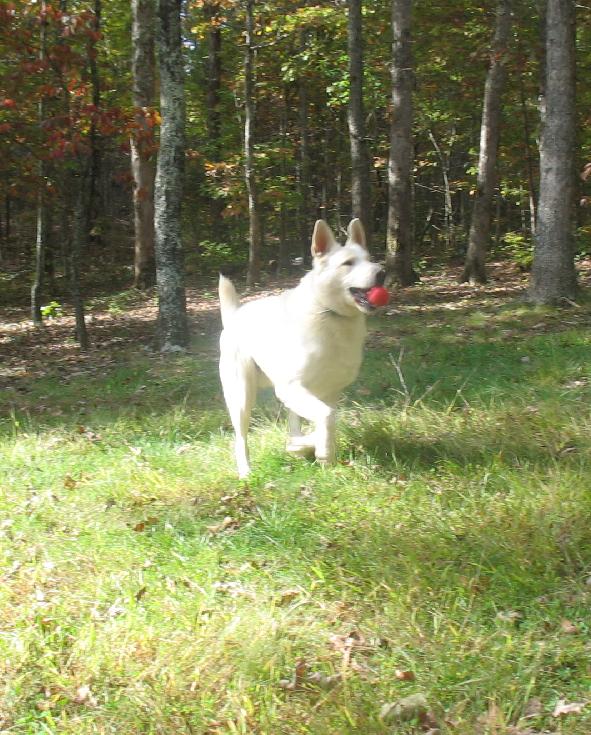
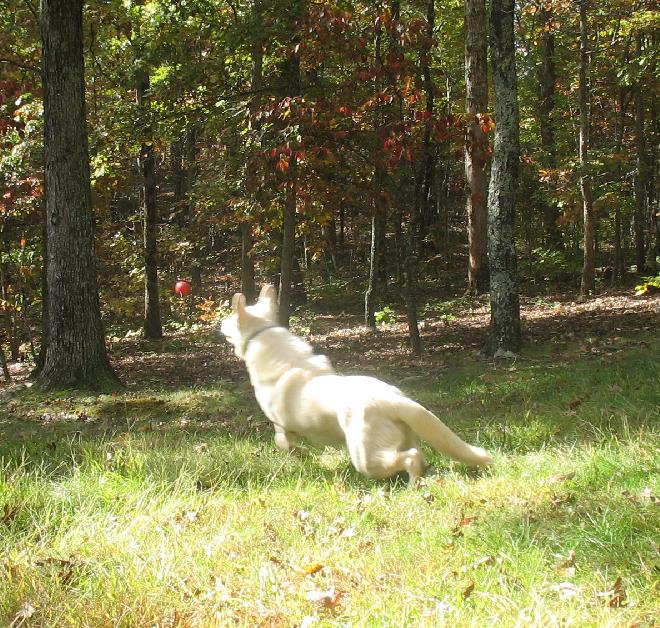
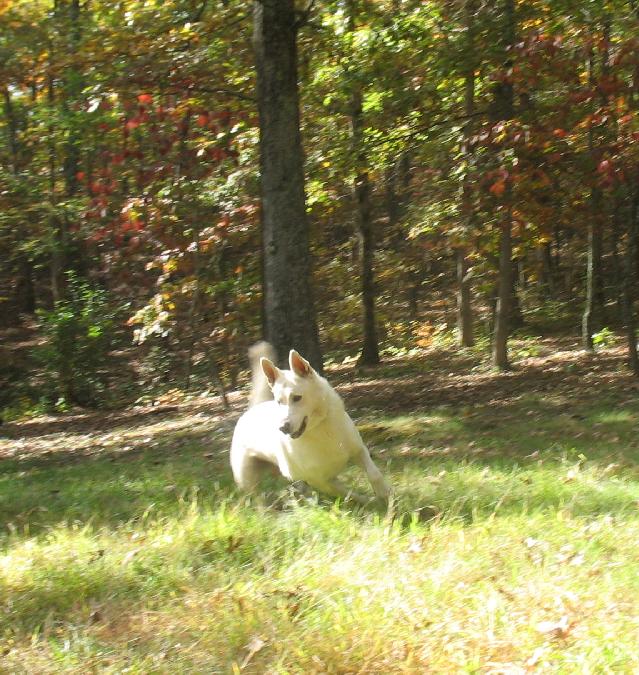
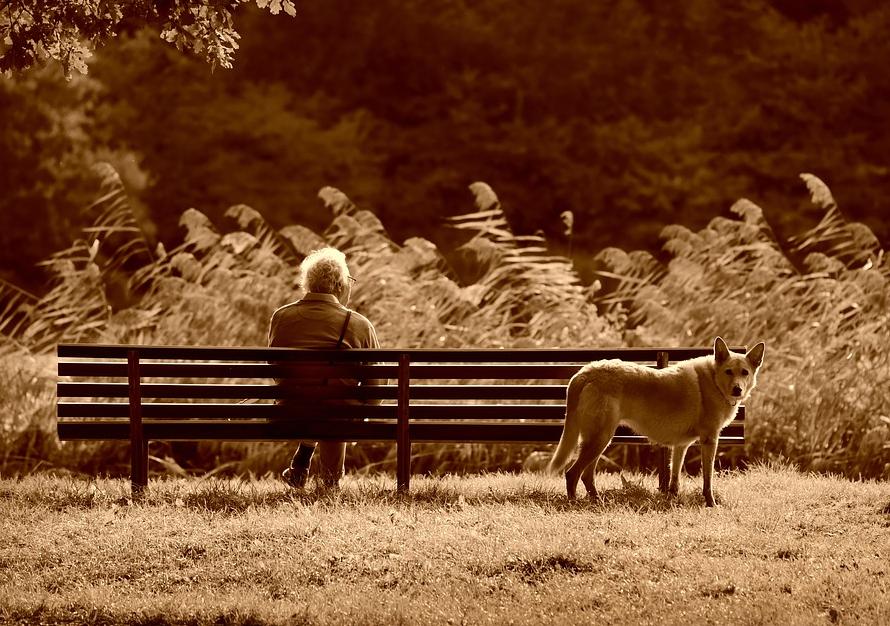
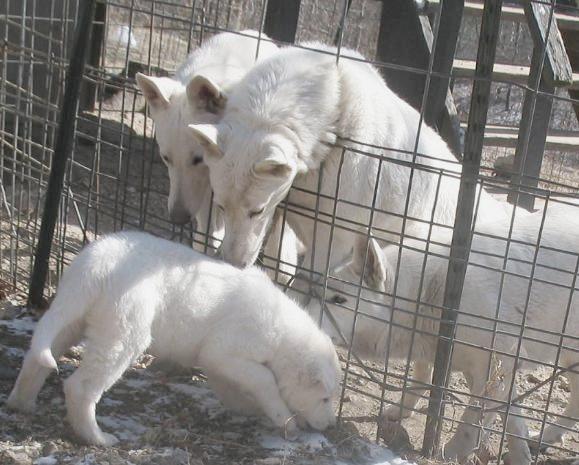
Cirrus, Frost, Maldasha and puppy
It’s a big moment for anyone when a puppy comes home to the family. A lot of work lies ahead, making sure they are properly trained. However, a new study from the University of Guelph has found that a large number of pet owners are not adequately socializing their puppies, putting them at higher risk of developing behavioural issues.
The study, penned by population medicine professors Jason Coe and Lee Neil, along with post-doctoral fellow Janet Cutler, found that one in three pet owners surveyed did not expose their puppies to enough social stimuli, including people and animals, during the first few months of the dogs’ lives.
Cutler said minimal exposure is defined as “providing interaction outside the home with other dogs fewer than five times every two weeks, and with people fewer than 10 times in that period.”
“This is concerning because it means a significant proportion of pet owners are missing the small window between two and 14 weeks where socialization is such a crucial piece in the behavioural development of dogs,”